Need to unclog a drain? This method is the simplest and most cost-effective!
Advertisements
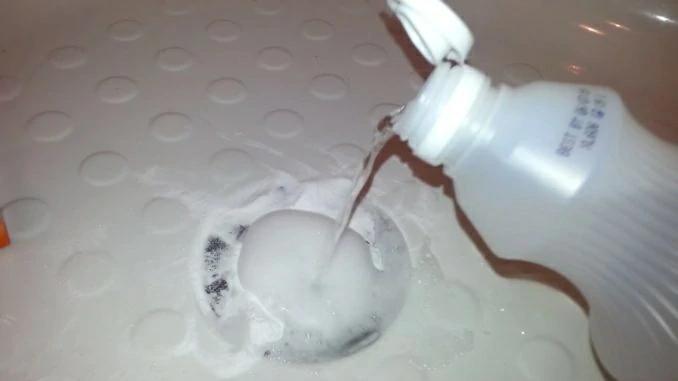
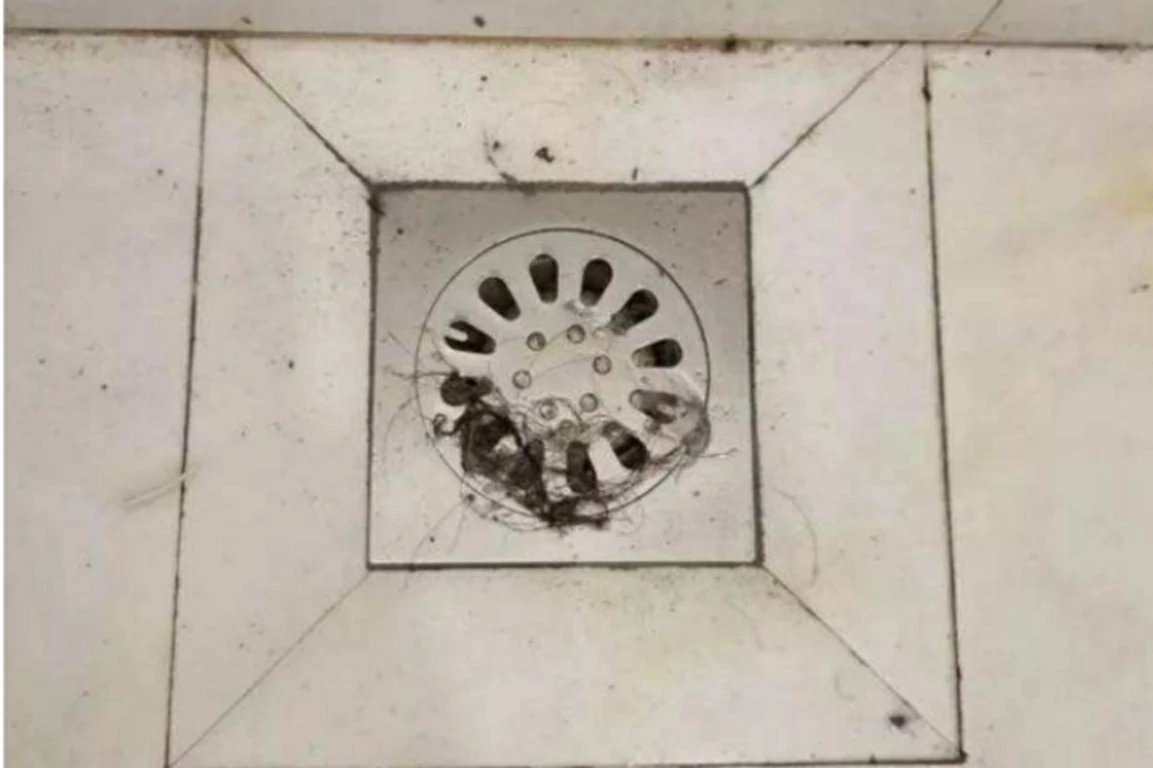
Whether it's a greasy kitchen sink or a shower drain clogged with tangled hair, blockages are always a headache. They not only disrupt daily life, but if neglected for too long, they can lead to bacterial growth, unpleasant odors, and even damage to the pipes. Instead of spending a lot of money on chemical cleaners or hiring a plumber, why not try this natural, safe, and effective "baking soda + vinegar" cleaning method?
I. Why is this method effective? A deep dive into the scientific principles:
Acid-base neutralization reaction
Baking soda (sodium bicarbonate) is alkaline, capable of breaking down grease and softening grime; vinegar (acetic acid) is acidic, dissolving mineral deposits and soap scum.
When mixed, they produce carbon dioxide bubbles, creating tiny impacts that loosen stubborn blockages in the pipes.
Natural, environmentally friendly, safe, and non-toxic
Commercially available chemical cleaners often contain corrosive ingredients that may damage pipes and harm health; baking soda and vinegar are environmentally friendly and harmless even to the skin.
Double cleaning power
Baking soda's fine particles gently rub away grime; the acidity of vinegar kills some mold and bacteria, reducing odor sources.
II. Complete Step-by-Step Instructions: Follow along, and you're done in 10 minutes!
Step 1: Preparation
Tools List:
50g baking soda (about 4 tablespoons)
100ml distilled white vinegar (or regular vinegar if unavailable)
1 kettle of boiling water (about 500ml)
Measuring cup, container, rubber gloves (optional)
Note: If the drain is completely still, you may need to gently press down with a rubber plunger to partially unclog it.
Step 2: Initial Rinse
Slowly pour a small amount of hot water (do not boil) down the drain to soften any remaining grease in the pipes.
Key Tip: The hot water temperature should not be too high to avoid deforming the PVC pipes.
Step 3: Add Baking Soda
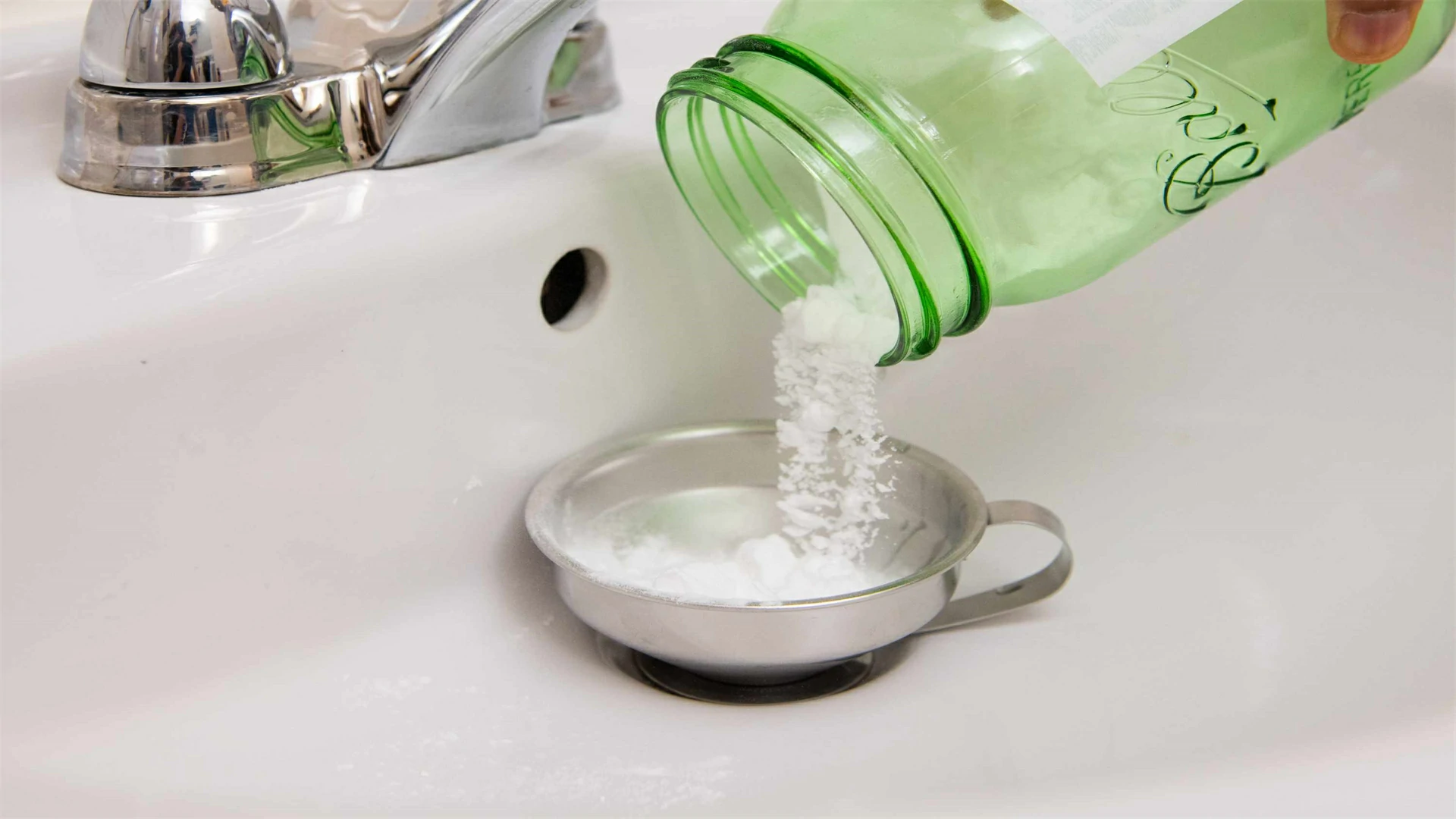
Pour 50g of baking soda directly into the drain hole and let it sit for 5 minutes to allow the powder to absorb the grease.
Step 4: Add Vinegar, Start the Reaction
Slowly pour the vinegar down the drain. Foaming and a hissing sound will immediately appear (this is a normal reaction).
Tip: You can temporarily cover the drain hole with a damp cloth to allow the air bubbles to work effectively in the pipes, enhancing cleaning power.
Step 5: Let it sit and rinse
Wait 1-2 hours to allow the acid-base reaction to completely break down the dirt.
Flush the pipes with plenty of hot water to remove any residue. If the water flow rate increases significantly, the cleaning was successful!
Advertisements
Advertisements