20 Deadly Tourist Mistakes That Can Kill You Fast – From Locals Worldwide
Advertisements
Advertisements
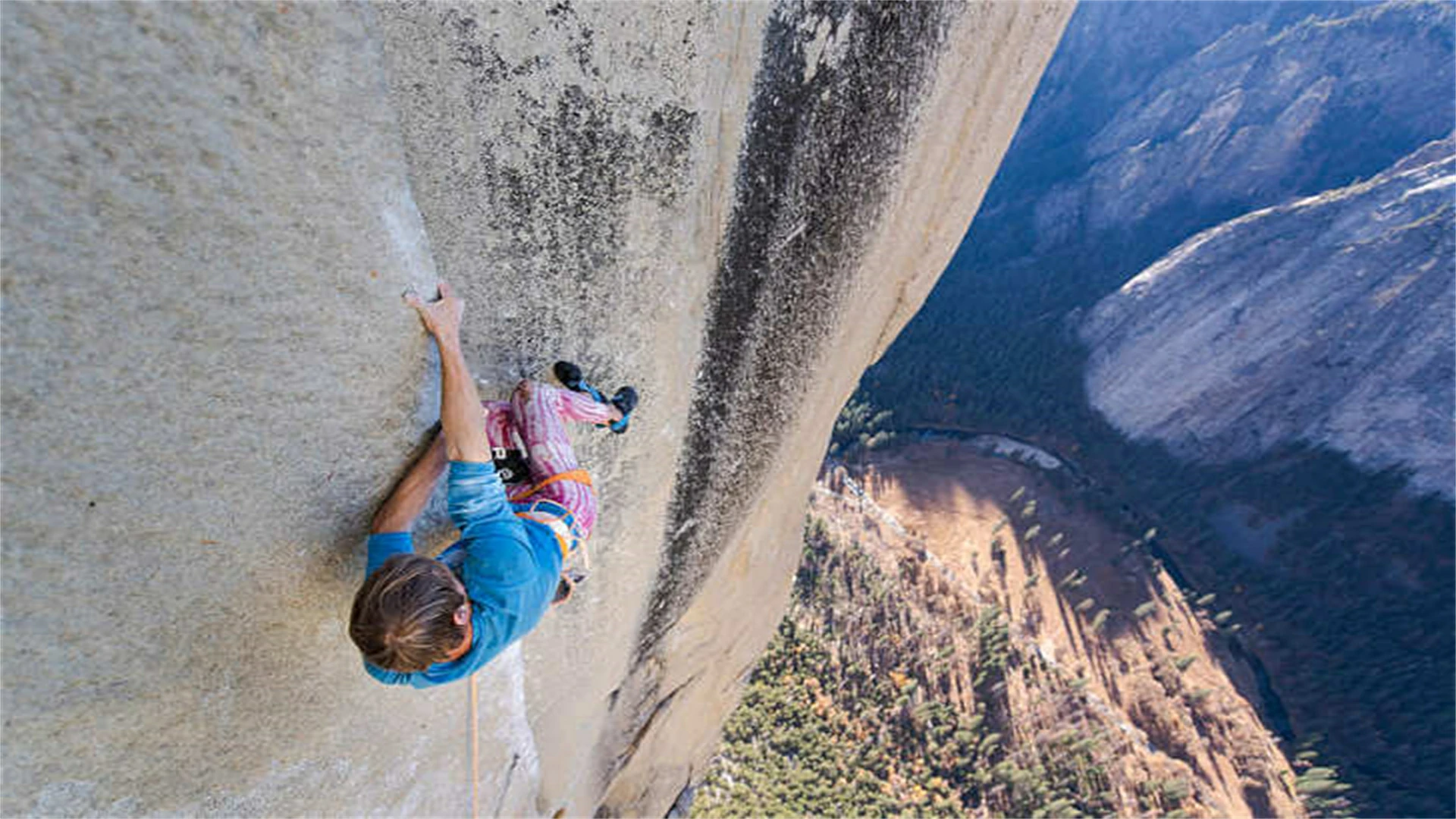
FREE CLIMBING IN YOSEMITE NATIONAL PARK, USA
In Yosemite National Park, overconfident hikers routinely attempt the infamous Half Dome cables and other steep granite routes without permits, harnesses, or experience. During crowded summer conditions or sudden thunderstorms, the polished rock becomes treacherously slick. A simple loss of grip can lead to a fatal, thousands-foot plunge. Furthermore, exposed peaks like Half Dome become lethal lightning rods during storms, delivering instant electrocution. Park rangers conduct grim body recoveries with tragic regularity, underscoring that these are entirely preventable deaths resulting from a dangerous underestimation of Yosemite’s raw, unforgiving vertical terrain and volatile weather.
Free climbing defies ropes and gravity for the ultimate rush in Yosemite – wandering into favelas defies safety and common sense for the “real” Rio. Flip the page to tourists lost in gang-controlled neighborhoods, paying the price with wallets, freedom, or lives…

WANDERING INTO FAVELAS IN RIO DE JANEIRO, BRAZIL
In Rio de Janeiro, tourists seeking an “authentic” experience sometimes venture from safe zones like Copacabana into unmarked favelas. Unaware they are entering active gang territories, their visible cameras or jewelry can trigger instant armed robberies or kidnappings. They also risk being caught in deadly crossfire. Local residents and authorities consistently warn that these neighborhoods are no-go areas for unaccompanied outsiders. Without the protection and knowledge of a trusted local guide, such exploration carries a severe and immediate risk of violent crime, turning a quest for culture into a potentially tragic mistake.
Favelas punish curiosity with violence – but Yungas Road punishes hubris with unforgiving cliffs. The next page pedals down the world’s most dangerous road, ignoring experience limits for adrenaline descents that too often end off the edge…
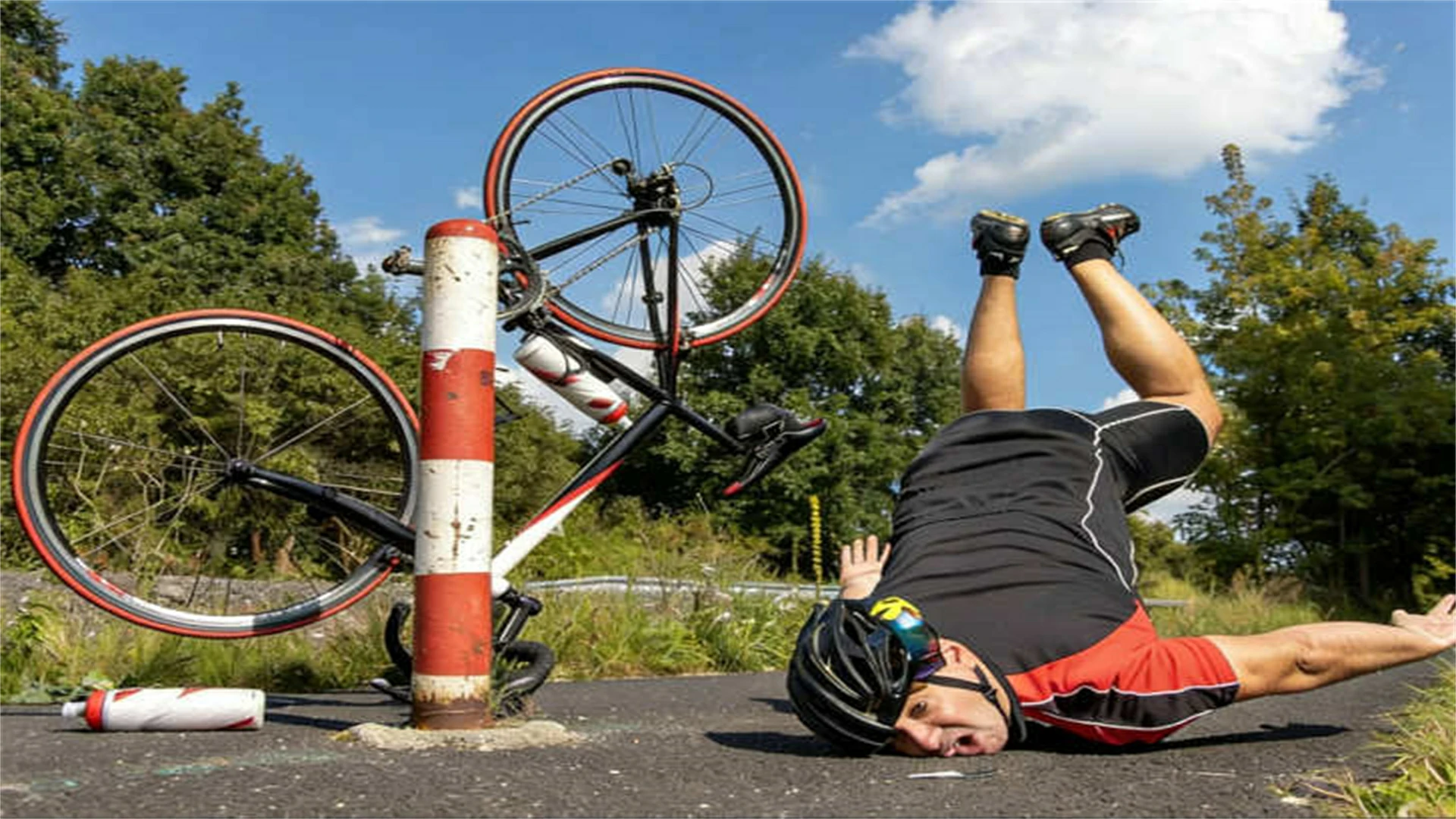
OVERCONFIDENT BIKING ON YUNGAS ROAD, BOLIVIA
On the infamous Yungas Road outside La Paz, Bolivia, thrill-seeking tourists often rent mountain bikes to descend the narrow, cliff-hugging route known globally as the “Death Road.” Pursuing an adrenaline rush, they descend at high speeds despite hazardous conditions like dense fog, rain, and notoriously unreliable rental equipment with poor brakes. On the road’s countless blind curves, a momentary misjudgment or brake failure can cause a rider to catapult over the edge, tumbling hundreds of meters down the sheer mountainside. Local guides report that these entirely preventable, high-impact crashes claim dozens of tourist lives on this treacherous path every single year.
Overconfidence on two wheels spells doom on Yungas’ edges – overconfidence on foot spells it closer to massive herds in Kerala. Flip the page to thrill-seekers breaching elephant corridors for viral photos, paying the ultimate price when irritated giants stampede…
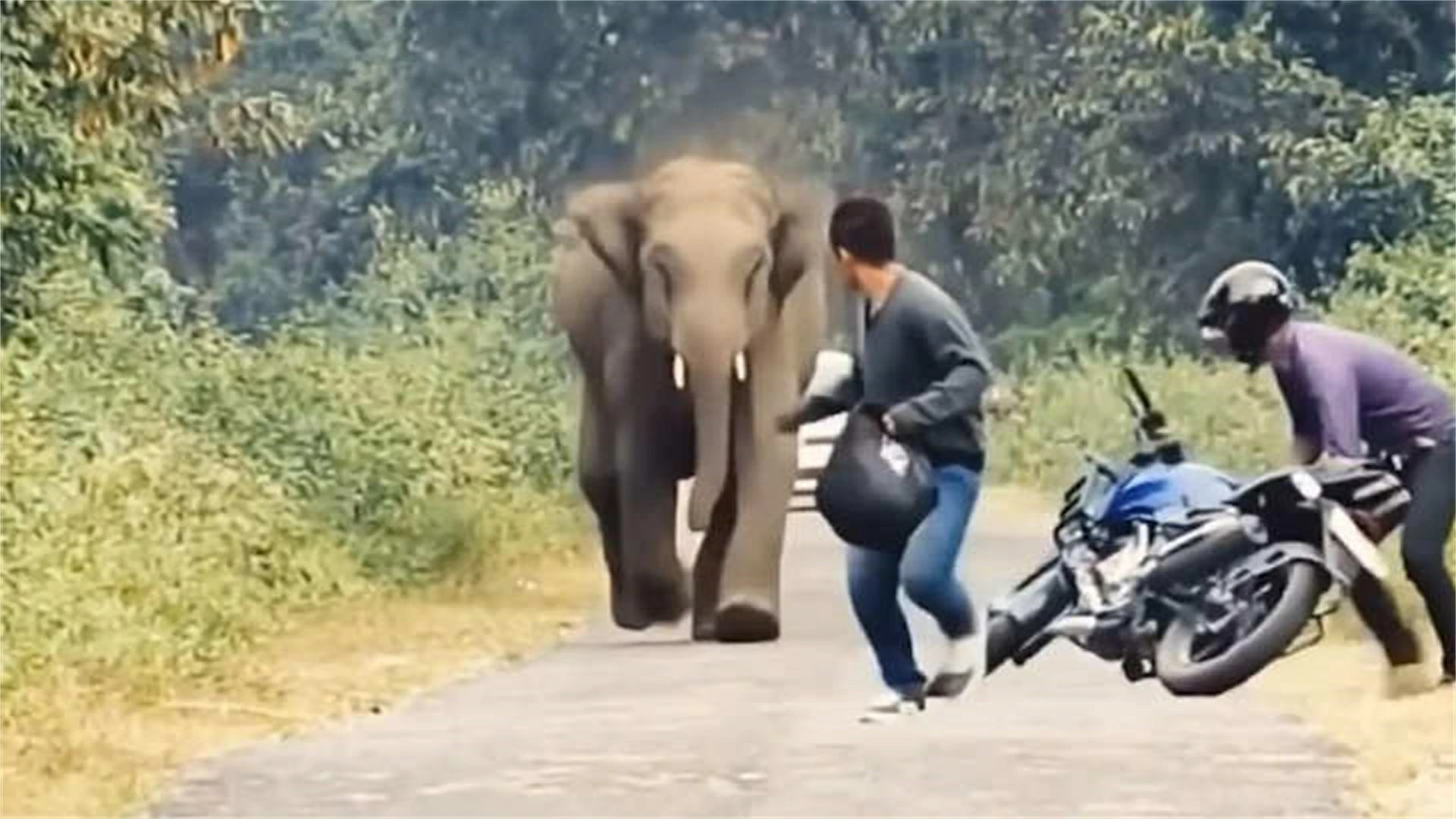
SELFIES WITH WILD ELEPHANTS IN KERALA, INDIA
In the lush wildlife reserves and verdant plantations of Kerala, particularly around Thekkady and Wayanad, a dangerous pattern persists among tourists. Enchanted by sightings of wild elephant herds, visitors often stop their vehicles or leave designated trekking paths to attempt close-up photographs. This critically underestimates the elephants’ astonishing speed and potent protective instincts, especially of calves. What begins as a mock charge can become devastatingly real in seconds, leaving no time for escape. Victims are tragically trampled or crushed, resulting in fatalities that, statistically, outnumber those caused by tigers in the region annually, highlighting a fatal misjudgment of wildlife boundaries.
Wild beasts charge visibly in India – but altitude sickness creeps invisibly in the Himalayas. The next page ascends the deadly denial on Everest Base Camp routes, overlooking headaches and nausea for the summit view that ends in collapse…
Advertisements
Advertisements