20 Deadly Tourist Mistakes That Can Kill You Fast – From Locals Worldwide
Advertisements
Advertisements
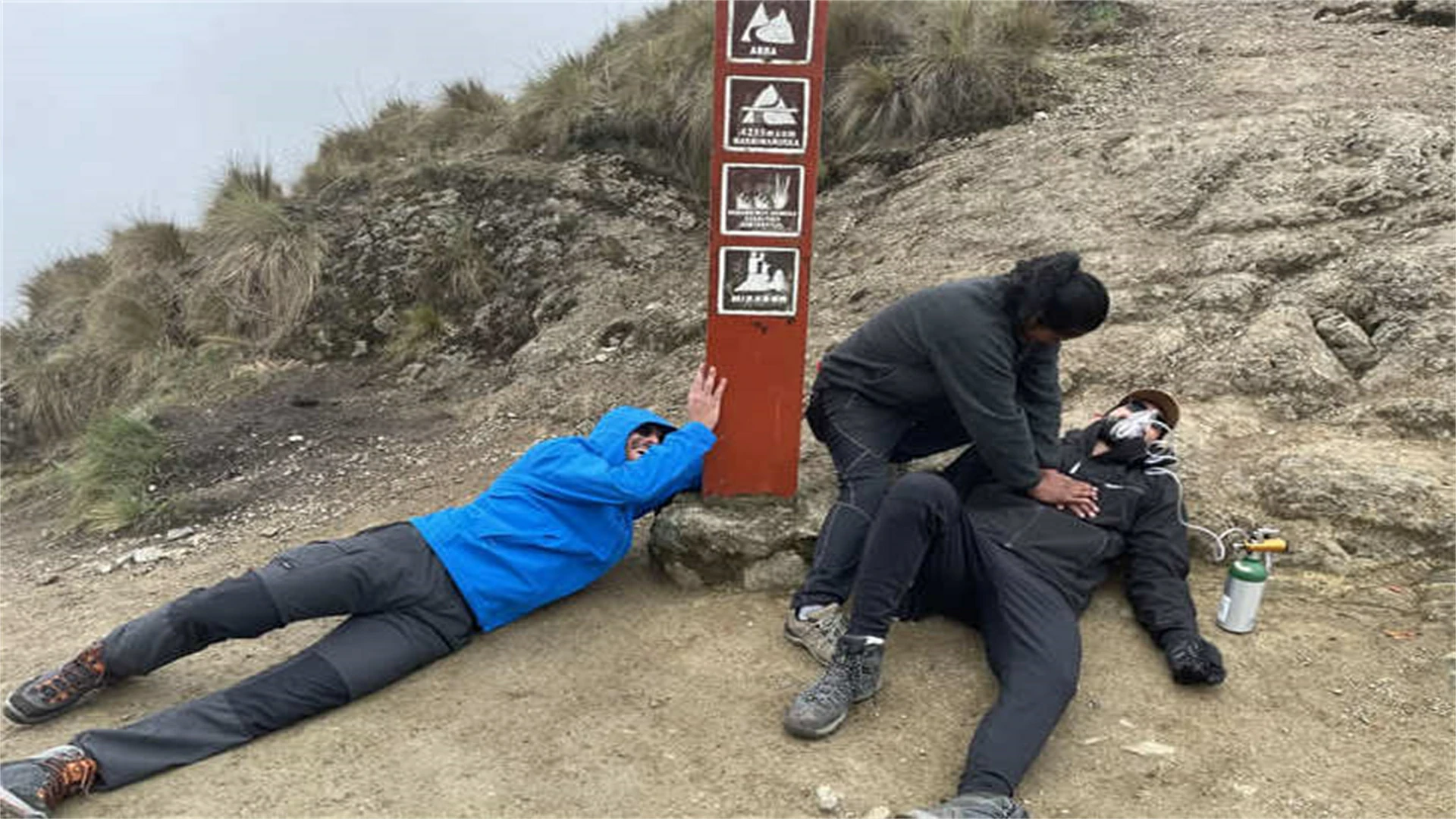
IGNORING ALTITUDE SICKNESS ON EVEREST BASE CAMP, NEPAL
On the trek to Everest Base Camp in Nepal’s Khumbu Valley, some impatient hikers dangerously skip mandatory rest days needed for acclimatization. By ascending too rapidly, they risk a sudden, catastrophic drop in blood oxygen levels. This can trigger deadly high-altitude illnesses—cerebral or pulmonary edema, where the brain or lungs fill with fluid. In these remote, rugged mountains, with limited helicopter evacuation options and weather-dependent rescues, such a medical emergency often turns fatal. This preventable tragedy underscores that in the high Himalayas, the greatest danger is often not the terrain, but a disregard for the essential pace of ascent.
Thin air punishes the body gradually in Nepal – but Trolltunga’s exposed ledge punishes the bold instantly with gravity. Flip the page to thrill-seekers hanging off Norway’s famous outcrop, disregarding warnings and weather for the ultimate edge-of-the-world shot that slips into tragedy…
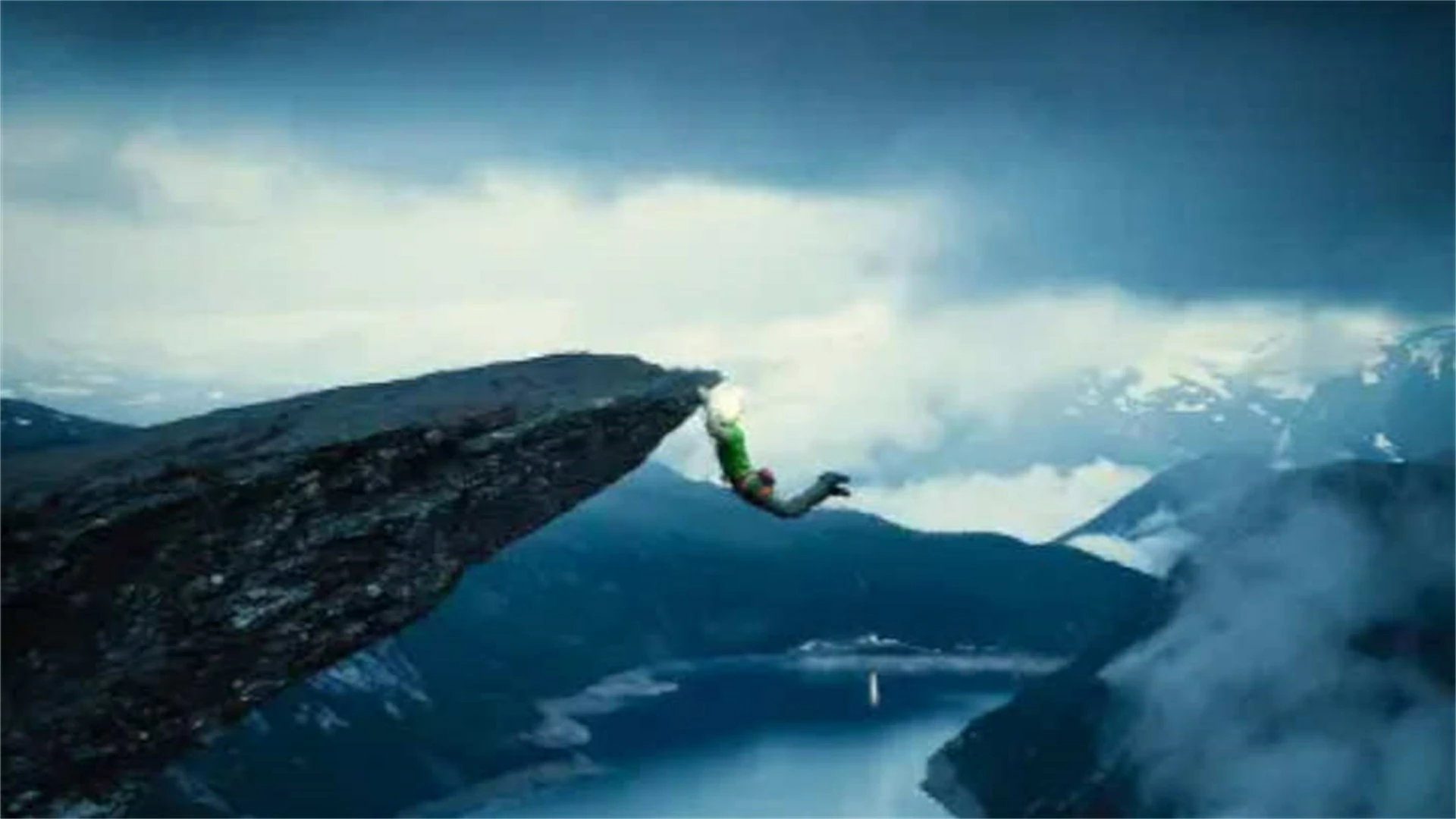
RISKY POSES AT TROLLTUNGA, NORWAY
At Norway’s iconic Trolltunga, a breathtaking rock ledge jutting 700 meters above Lake Ringedalsvatnet, a perilous ritual unfolds daily. After a demanding hike, visitors wait in long queues for their moment on the precipice. In pursuit of a dramatic social media photograph, many then recklessly dangle their legs over the void or attempt precarious handstands. A moment of imbalance, a gust of wind, or a simple slip on the often wet and smooth rock surface can lead to an irreversible, fatal plummet. Despite constant and urgent safety pleas from guides and authorities, the pursuit of the ultimate photo continues to tempt fate with tragic consequences.
Risky edges claim lives on Trolltunga for the perfect pose – risky breaches claim them in shark cages for the perfect close-up. Flip the page to tourists defying cage protocols in Cape Town, stretching hands or exiting bars and paying the price when massive predators strike without mercy…
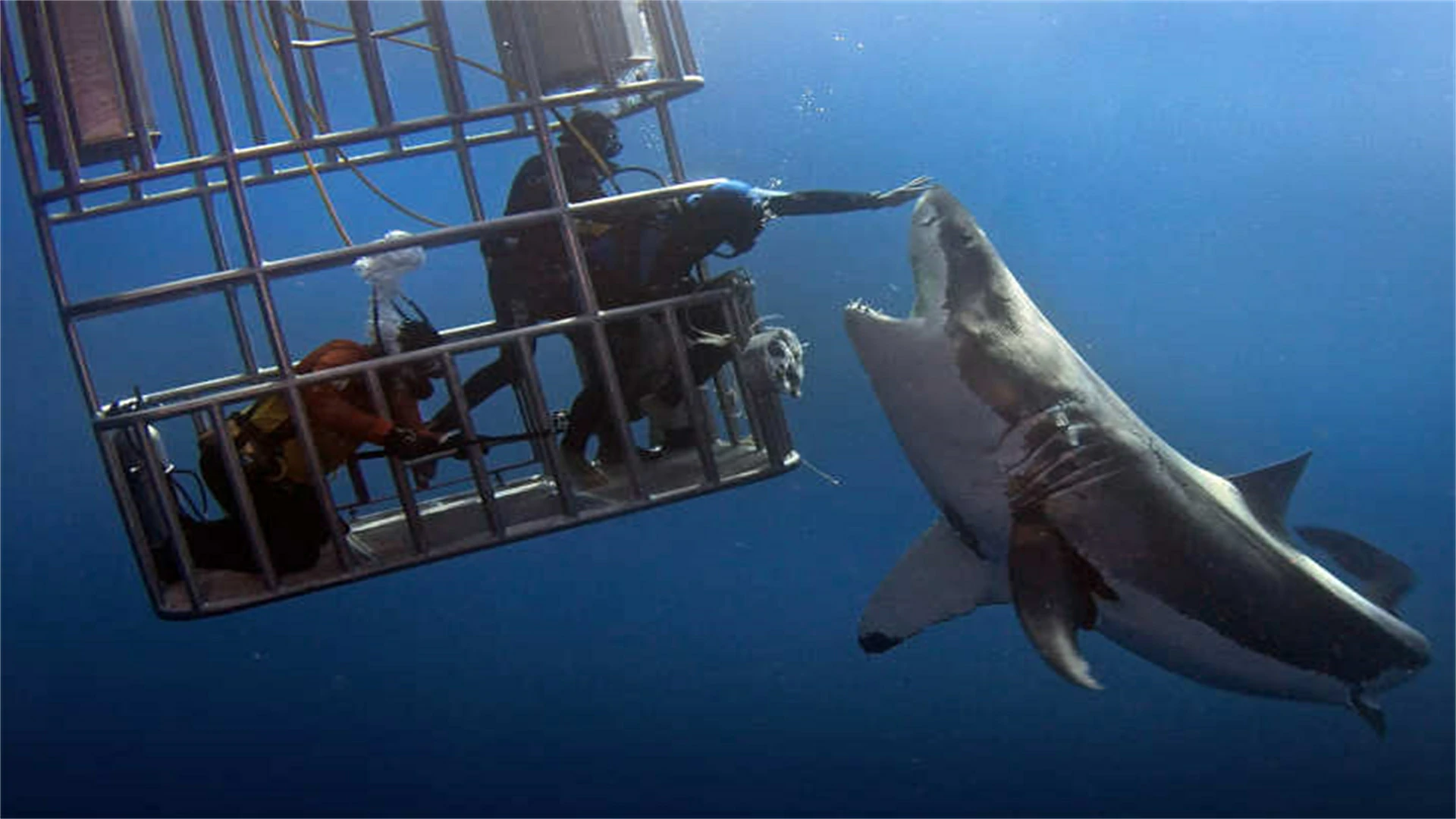
BREACHING CAGE DIVING RULES IN CAPE TOWN, SOUTH AFRICA
In the famed waters of Gansbaai, near Cape Town, thrill-seeking tourists enter protective steel cages for a glimpse of great white sharks. However, in a profoundly dangerous breach of protocol, some overexcited individuals have been known to exit the cage entirely, seeking an unobstructed photograph. This occurs despite strict guide instructions in “Shark Alley,” an area actively chummed with bait to attract the predators. The act invites a lightning-fast, often fatal bite from a great white shark, which can mistake the sudden, unprotected movement for prey. This recklessness transforms a controlled wildlife encounter into an utterly preventable tragedy.
Ocean predators strike the overbold in seconds – but Paris streets strike wallets with sleight of hand. The next page exposes falling for distraction thefts around Eiffel Tower and beyond, ignoring warnings for “friendly” encounters that cost thousands…

FALLING FOR DISTRACTION SCAMS IN PARIS, FRANCE
In the iconic tourist areas of Paris, particularly around the Eiffel Tower and Montmartre, a sophisticated form of theft preys on visitors’ goodwill. Seemingly friendly strangers approach tourists, offering petitions, bracelets, or simple games that require a moment’s attention. As the tourist engages, accomplice teams quickly surround them, creating a dense, distracting crowd. In this chaos, they expertly pickpocket wallets and phones or slash bags to steal valuables. Refusal to participate or attempts to resist can sometimes escalate the situation, with thieves threatening violence, including brandishing knives, even within these crowded public spaces.
Paris thieves rely on sleight of hand in crowds – Rome’s imposters rely on sheer bravado in broad daylight. Flip the page to the Colosseum’s gladiator hustle, where “friendly” centurions pose with visitors, then refuse to let go until wallets open wide…
Advertisements
Advertisements